How Does A Large Solar Power Plant Work? The Sunbeams, Nuts, And Bolts
June 16, 2025
It feels like you’re in a future sunflower field when you stand in the shadow of a large scale solar facility. But there is a smart technique to turn sunlight into steady electricity that keeps cities buzzing behind those panels that are always glowing.
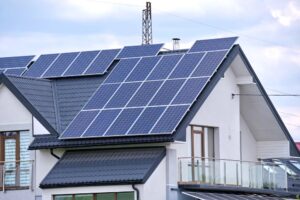
Picture this: at first, there are thousands, sometimes millions, of solar panels lined up in precise rows to catch as much sunlight as possible. The photovoltaic (PV) modules are the ones that do the heavy work. They are constructed of silicon cells that soak up sunlight. When light hits them, it shakes loose tiny particles called electrons. These electrons create a direct current (DC) of electricity, which is similar to water flowing through a pipe.
But there’s a problem: our electrical grid doesn’t work well with DC electricity. Instead, it needs AC power. What’s next? The inverter is the plant’s unsung hero. Inverters take raw DC energy, flip it around, and give you a smooth AC power stream that fits with the grid. Inverters are like translators that let the sun’s energy run your laptop, TV, or fridge without any complications.
A power plant is more than just wires and glass, though. If you look closely, you’ll discover that a few of the panels have tracking systems under them. These fantastic gadgets move the panels up and down and around, just like a sunflower follows the sun. This little dance catches as much sun as it can, especially in the early morning or late afternoon when the sun is lower in the sky.
But here’s the catch: solar energy doesn’t operate very well when it’s cloudy, rainy, or dark. Some modern plants get around this by adding huge battery banks. These batteries hold more electricity when the sun is out and give it back when the sun goes down. Electricity is playing hide and seek.
Some things about massive solar installations are strange. They need flat pastures or sunlit plains that are open and sunny. That means making some tough choices about how to protect species and manage land. But the benefits are clear. Less pollution, cleaner energy, and the possibility to cut your energy bills so they don’t make you sick.
In brief, enormous solar power plants work by putting together big fields of panels that are good with technology. These panels change sunlight into electrons, which are then turned into the power that keeps everything going. It’s a mix of science, engineering, and a lot of sun magic.