Facts about Roman Coins: Selfies of Emperors and Propaganda that Fits in Your Pocket
June 25, 2025
Imagine this: A coin clinks on the paved streets of ancient Rome as a loaf of bread changes hands. Some coins survived empires, floods, and picky collectors, while others were lost under a farmer’s plow and then found again hundreds of years later. Coins from 1OZ GOLD BRITANNIA? They’re like notes in a bottle from individuals who wore sandals and togas.
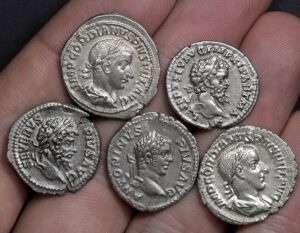
Get the basics down first. There were many different sizes and types of Roman coins. There were large ancient brass sestertii, gold aurei, massive silver denarii, and tiny copper asses. (You can laugh at the final one if you want.) Each metal had its own worth, which changed a lot as Rome progressed from being a Republic to an Empire and then back to being a mess.
You might see a temple, a goddess, or a soldier wielding a sword on the other side. It wasn’t random that the pictures were chosen. Ancient kings and queens put their own faces on coins, which was like the first political selfies. Do you want to know who was in charge? Just look in your pocket change. At times, monarchs acted like they were really brave or smart. It wasn’t really fashionable to be modest.
Roman coins liked to hear wonderful stories. They yelled about winning wars, playing games in public, or developing new markets. Think about how every quarter in your pocket would celebrate your personal best at the pie-eating contest. That’s how it worked for emperors in the past.
The coins got a new look every now and then. A new emperor brought new designs for the coins. There were small insignia on the borders, such dots, inscriptions, and mint marks, that told us where the currency came from, like Antioch, London, or another part of the huge empire. Archaeologists use it as a secret code.
Some individuals try to figure out how old a coin is by counting how many people have held it. A single coin might tell a lot of stories. It might have been used to pay a soldier, buy olives in Pompeii, or go into a gladiator’s tip jar. Coins didn’t just sit in wallets; they went on fantastic voyages, like those in Shakespeare’s plays.
When emperors thought they had spent too much on parties or battles, the value of copper, silver, and gold coinage would often fluctuate. They dubbed it debasement. Add a small bit of cheaper metal, say a prayer, and all of a sudden your currency didn’t buy as much food. The old version of inflation is right there in your grasp. People complained, as people do.
Some coins didn’t have long and famous lives. Some were lost, buried, or thrown into wells for good luck. Some of them are now in museums or private collections, small pieces of time covered in green, waiting for someone to figure out what they are. Strangely, some of the best finds occurred after a lot of rain or when tractors dig deep into fields.
Roman coins are both jigsaw pieces and props for presenting stories for collectors today. It’s not always easy to choose a favorite. Some people like coins made for great monarchs, while others like coins made in little-known mints in far-off districts.
These coins are little, but if you put enough of them together, you can see how people lived in the past. You can even see old graffiti, like when someone scratched their initials or created a mustache on the emperor’s picture.
Here’s an interesting fact for the dinner table: one emperor’s official currency reform made so many coins that metal detectorists still find them in large numbers all throughout Europe hundreds of years later. What a long shelf life!
There is a strange and lovely history behind every chipped and torn Roman coin. There are a lot of stories, and the metal tells them—about emperors, battles, bread, and deals. So, if you ever find an old coin, take it. You just got a bit of old gossip that was frozen in gold, silver, or even a small piece of copper.